Discover the
11 Indigenous Nations in Québec
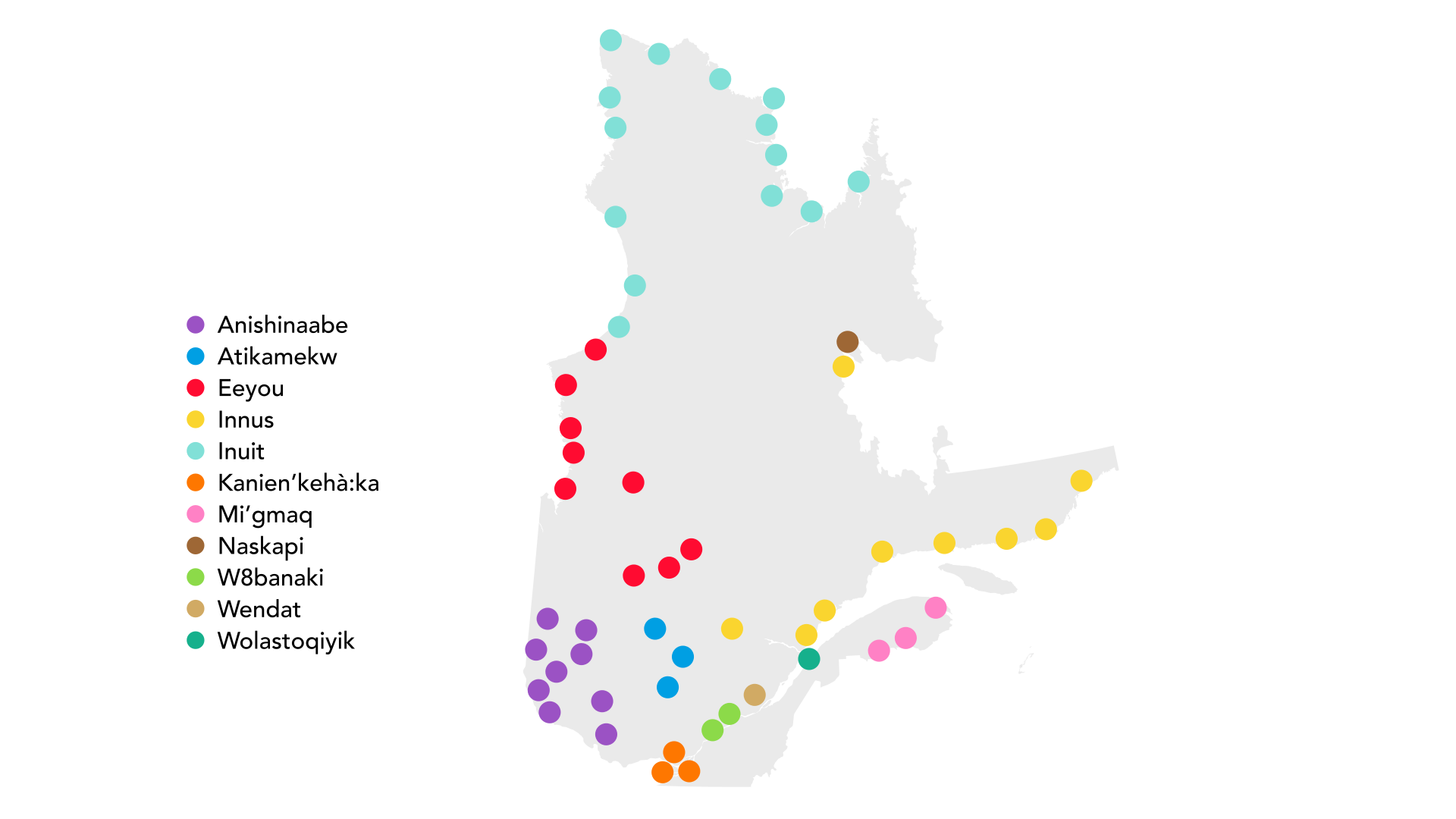
42 First Nations communities
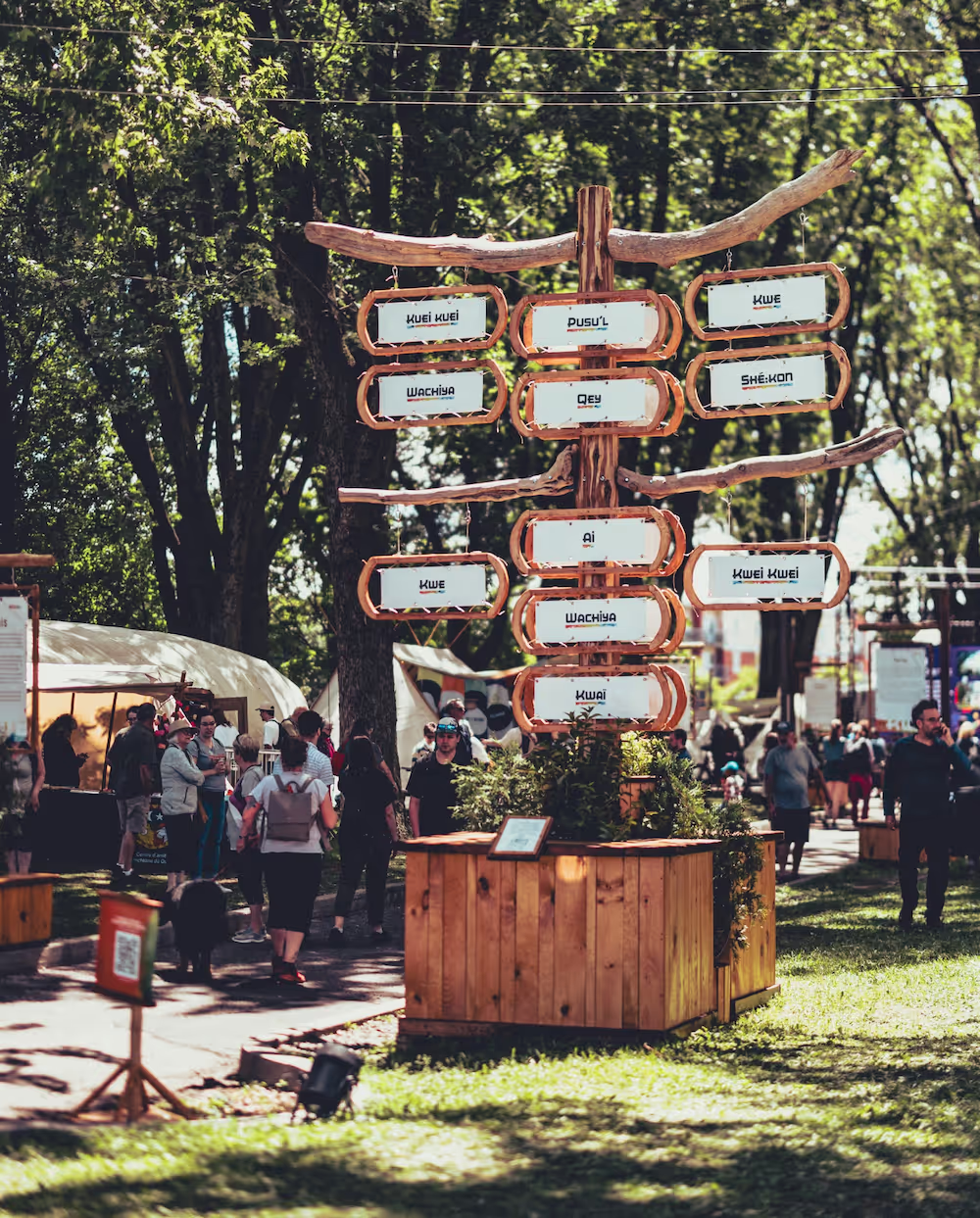
The 10 First Nations and Inuit represent just over 1% of Quebec's population. There are 42 First Nations communities and 15 Inuit villages in Quebec. Each Nation has its own language, which can be broken down into several dialects. Indigenous languages are among the oldest still spoken, some with several millennia of history, long before the arrival of English or French.
.avif)
.avif)
The language : fundamental pillar of Indigenous knowledge
The promotion, preservation, and teaching of ancestral languages are essential to our Nations. The ancestral language is intrinsic to our identity and culture. It represents a fundamental pillar of Indigenous knowledge. It embodies our identity, our worldview, and our collective values, within our communitied.
A heritage to preserve
Over the course of history, languages have evolved for a variety of reasons. Some languages declined rapidly due to the premature deaths of their speakers, notably by diseases brought by Europeans to North America. In some areas, heavy losses resulted from warfare. In recent times languages have been in danger as people have replaced their ancestral mother tongue with that of the dominant society. One of the worse forms of destruction of indigenous languages by the government was the implementation of a formal education system in residential schools, designed to separate children from the influence of their homes, families and culture during their formative years. Today, ongoing efforts are being made in order to repair the damages inflicted on numerous indigenous languages, to ensure their preservation. Advocates, knowledge keepers, teachers and elders continue to teach these languages and educate people on the heritage of Indigenous languages.
As true witnesses to an exceptional cultural memory and continuity, Indigenous languages represent a precious millennial heritage that must be protected and proudly promoted
.avif)

Stay up to date with our newsletter
Be the first to know about events and updates!