Documentary Who Gets to Belong?
This documentary invites us to reflect on a fundamental question: who gets to determine First Nations identity? It serves as a reminder that, despite the progress made, the Indian Act has caused discrimination that has had lasting consequences for many First Nations women, families, and communities.

For generations, the Indian Act has imposed rules on who is considered an "Indian" and who is not, treating men and women differently. Before 1985, First Nations women lost their status (and their rights) after marrying a non-status man, while men generally retained theirs and could pass it on to their wives and children. Despite several legislative amendments since then, the effects of this discrimination continue to be felt in families and communities today.
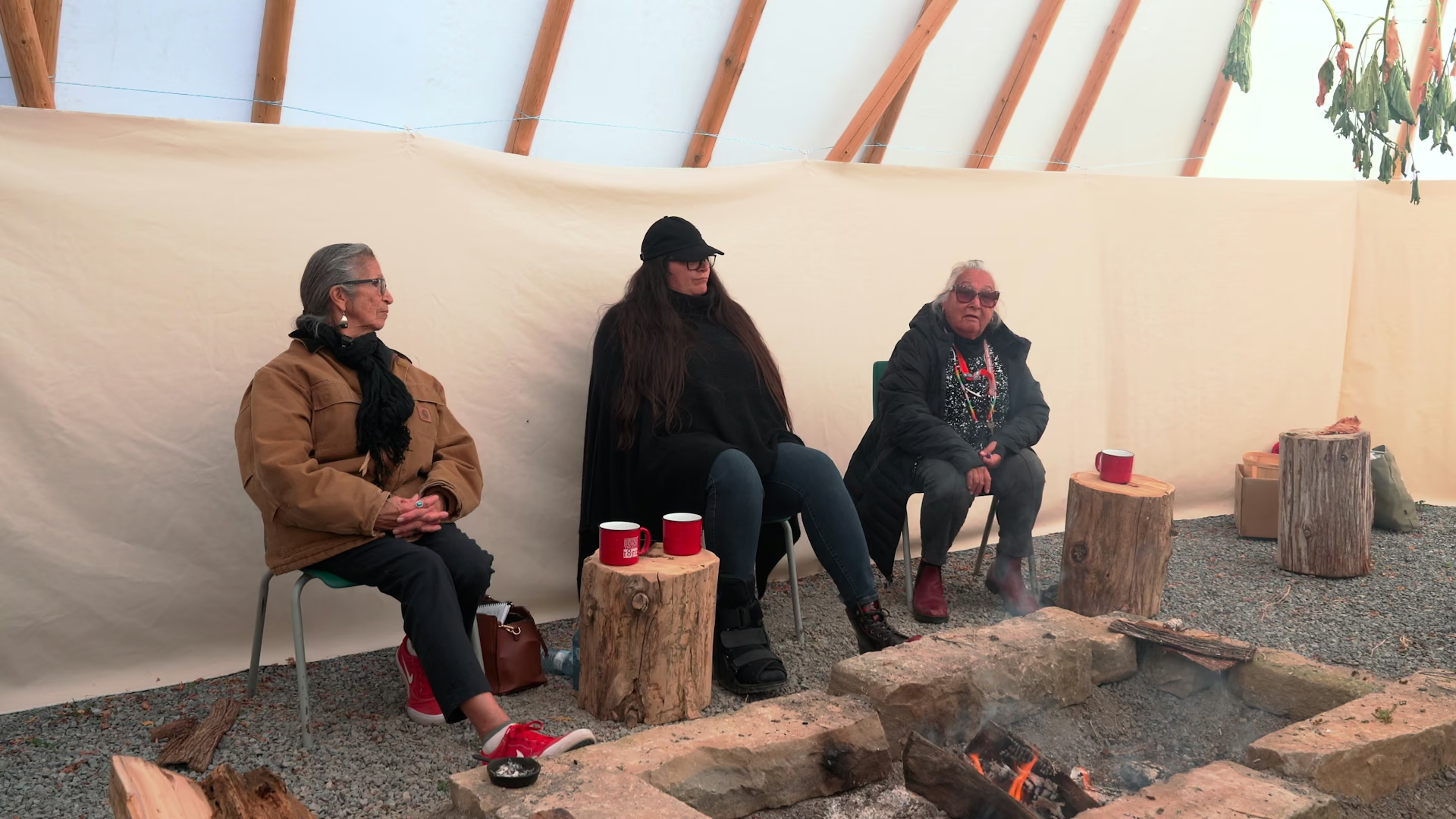
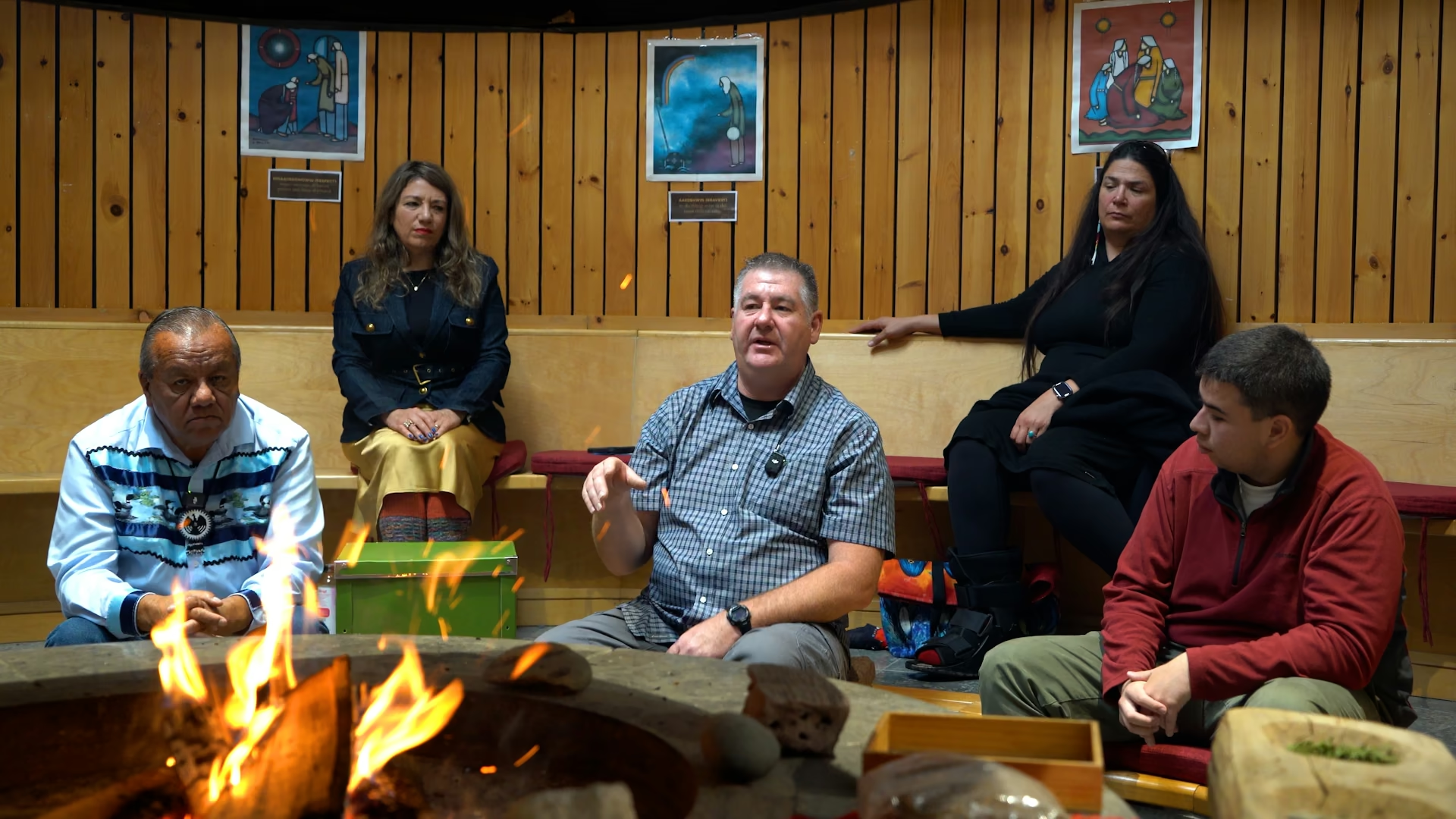
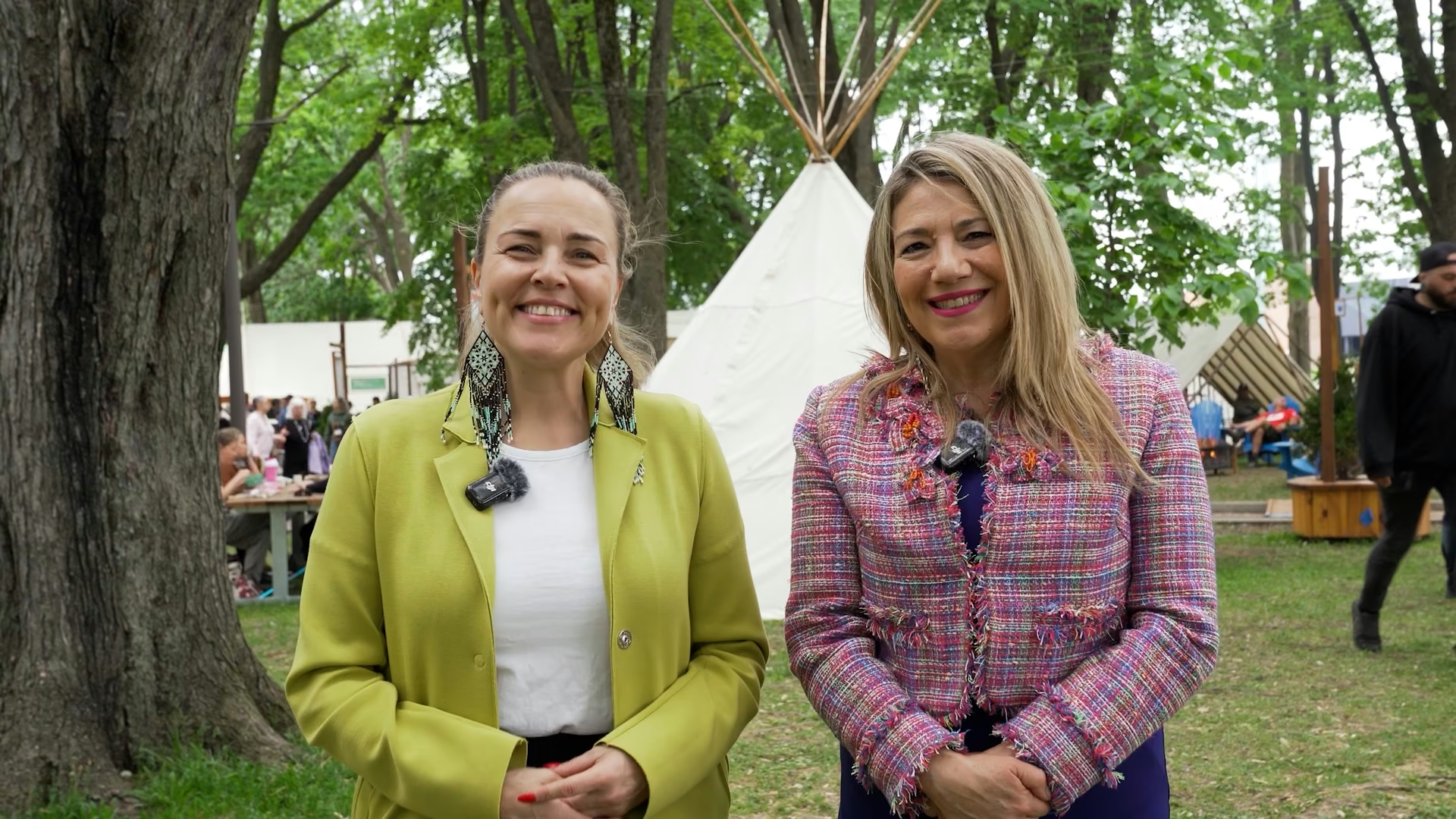
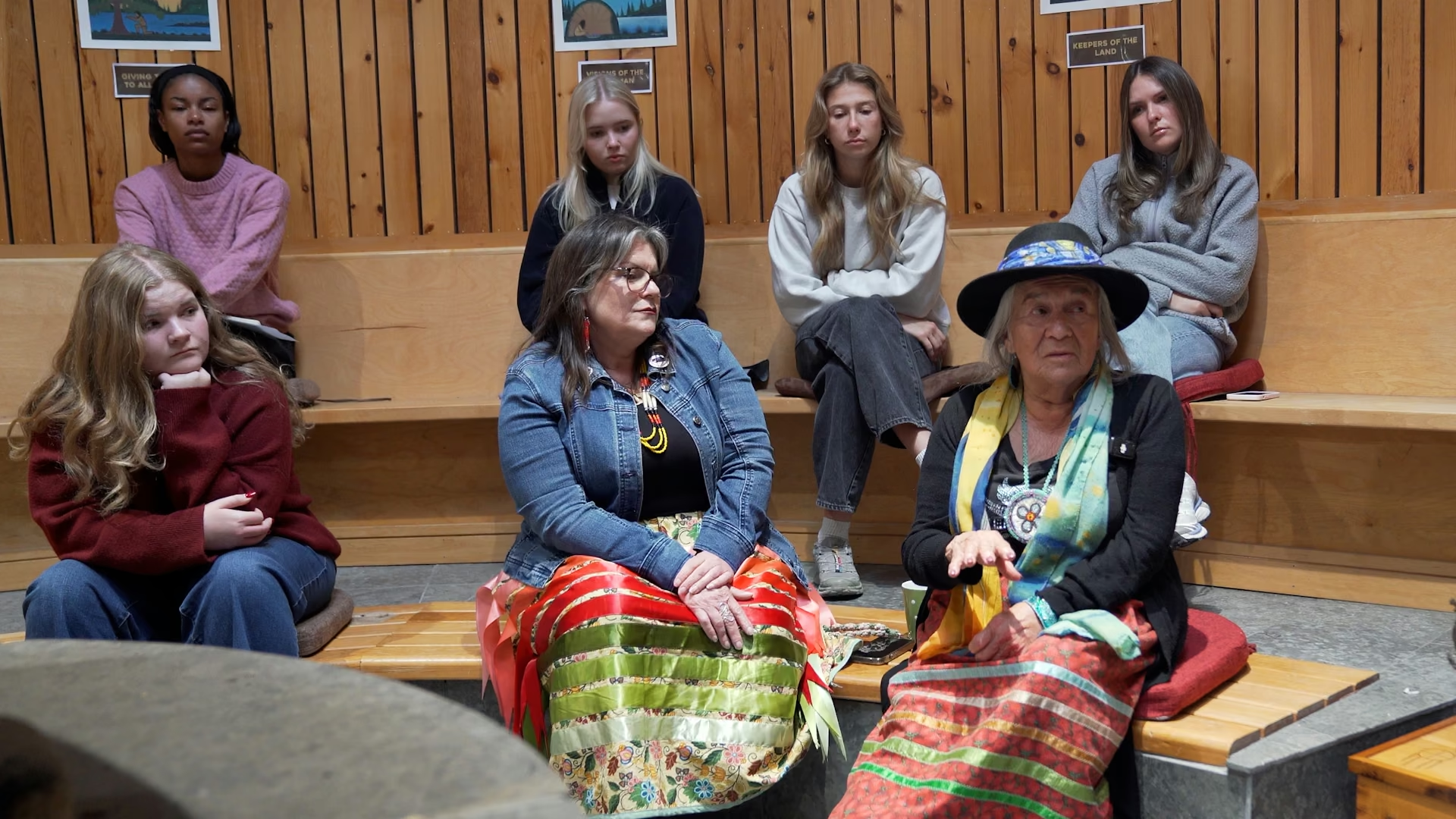
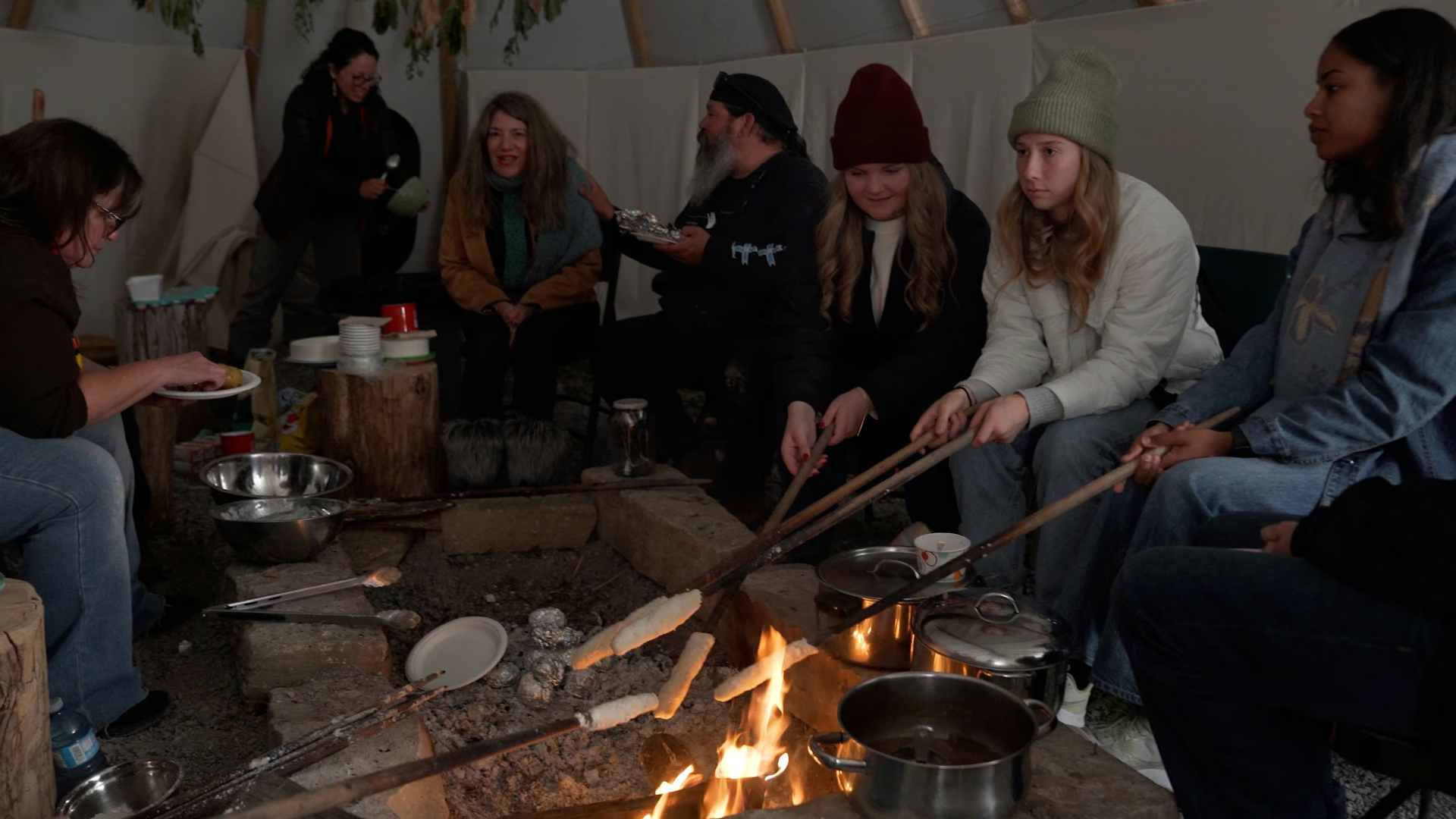
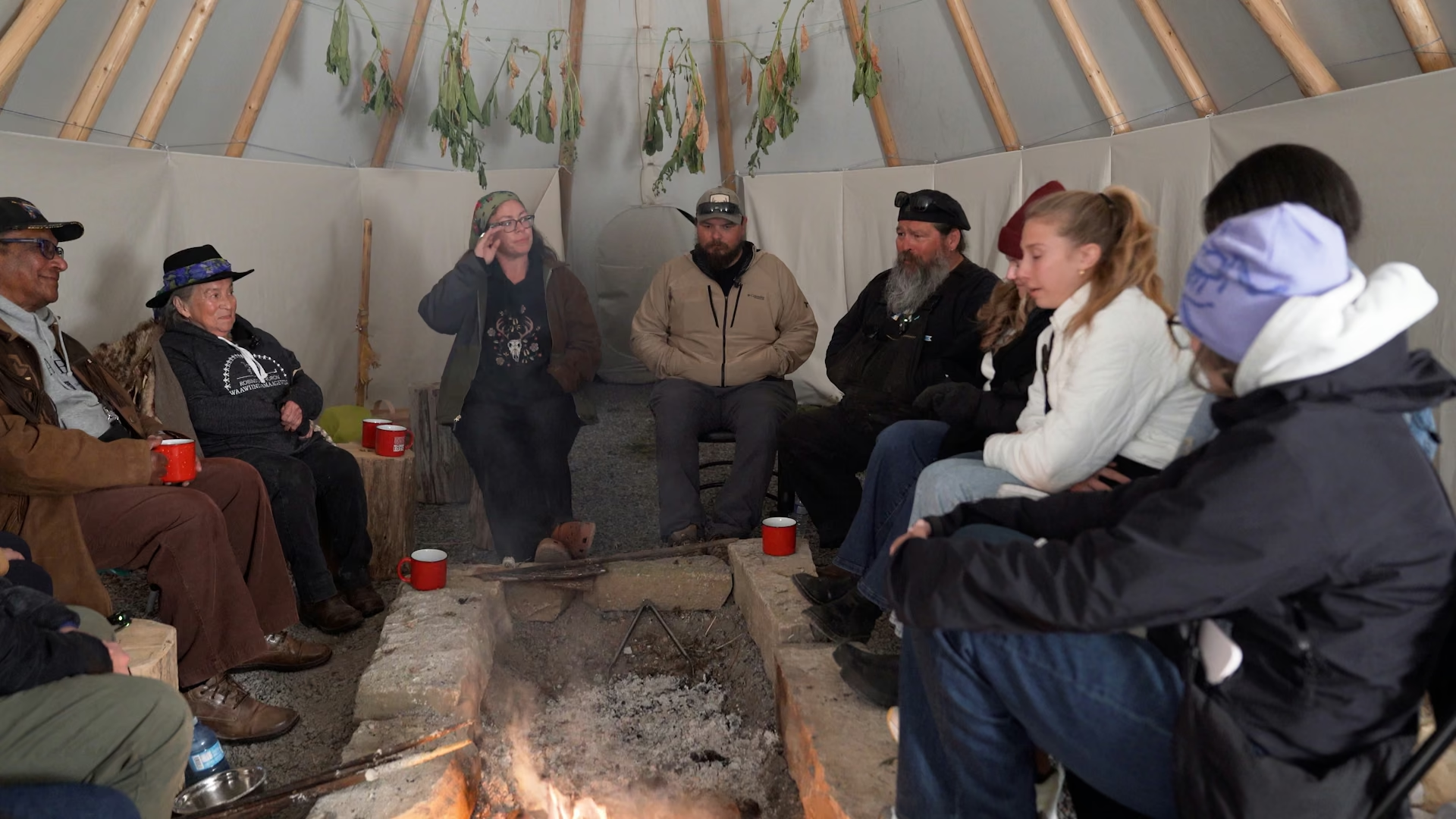
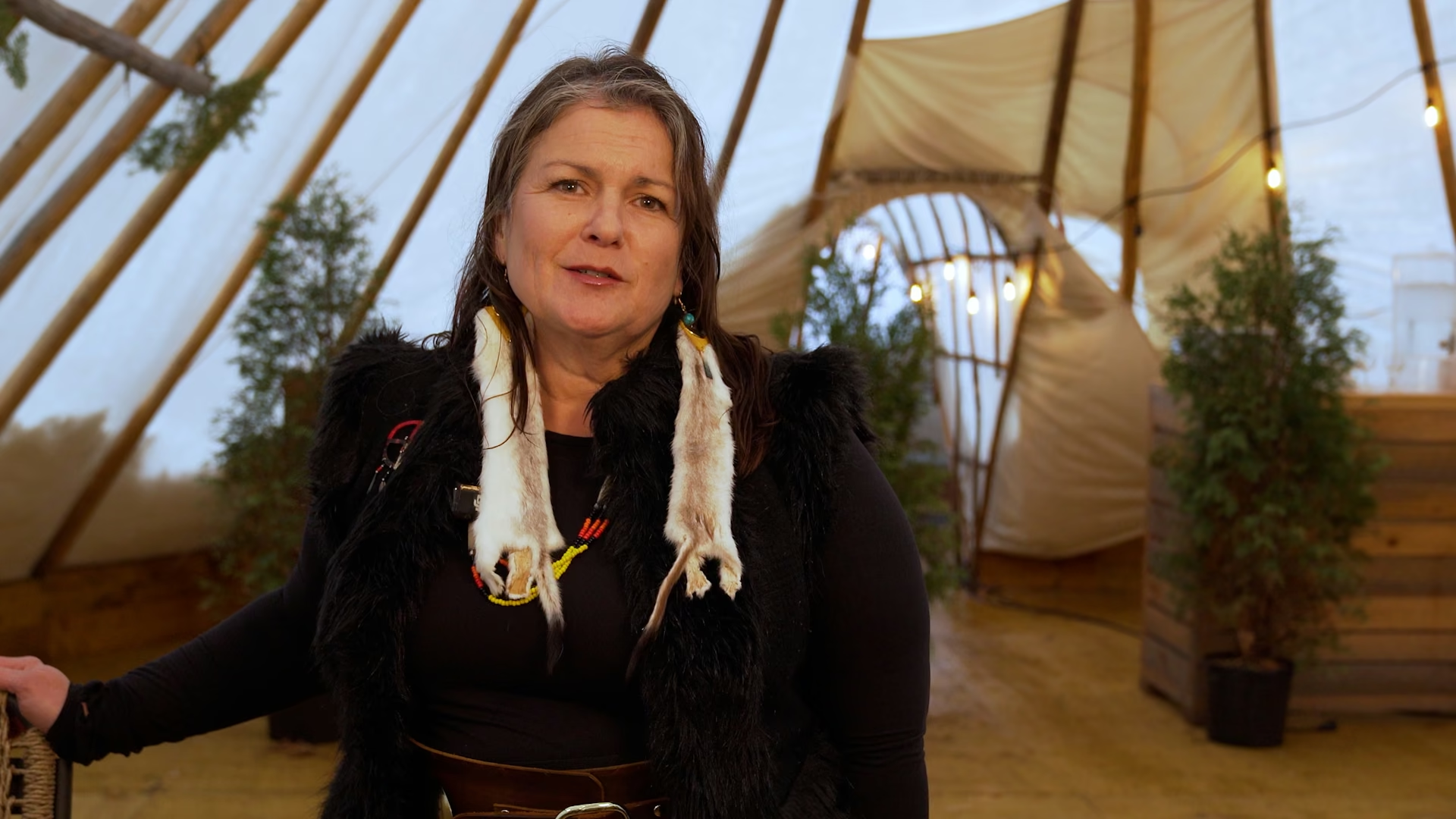
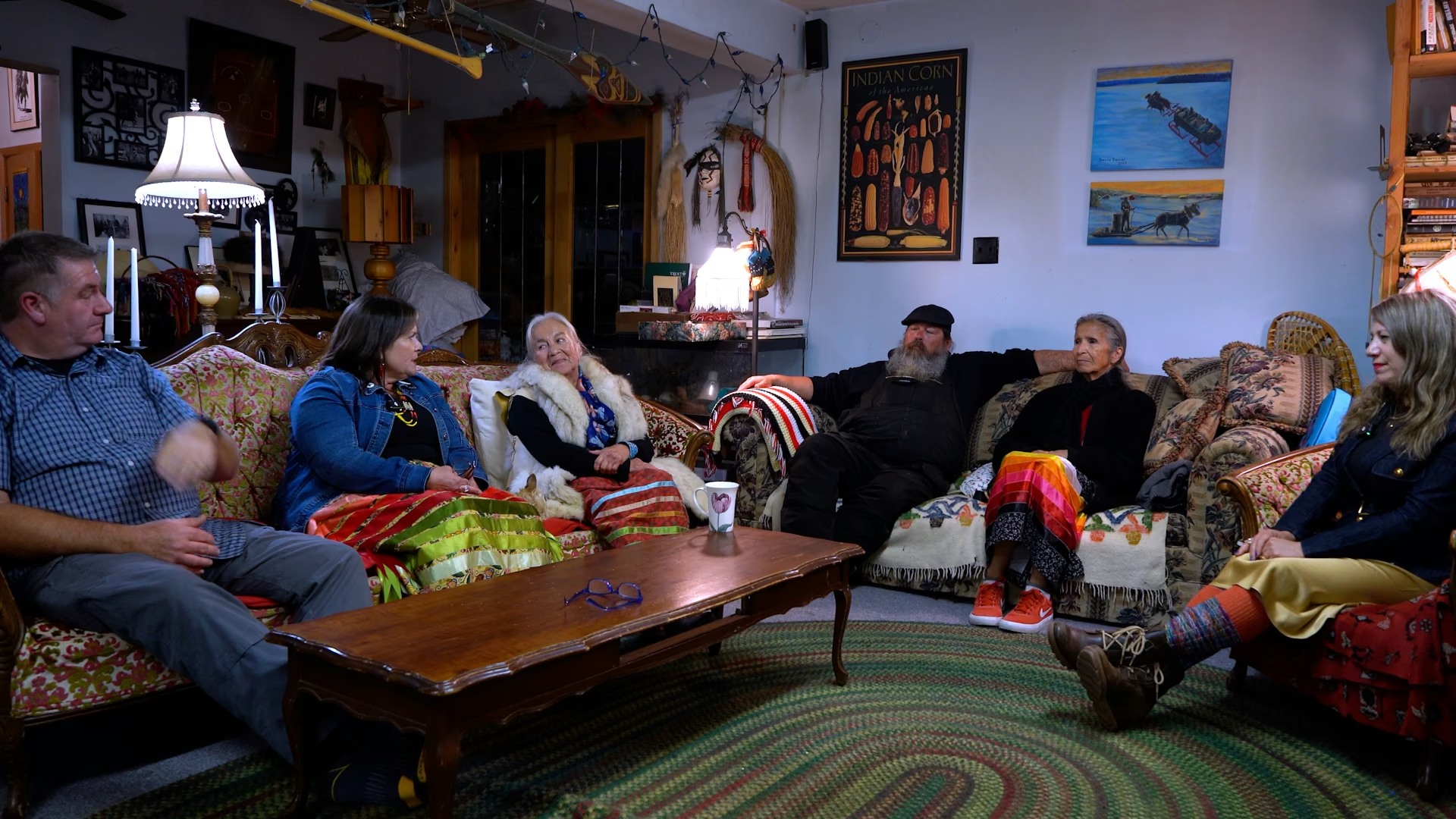
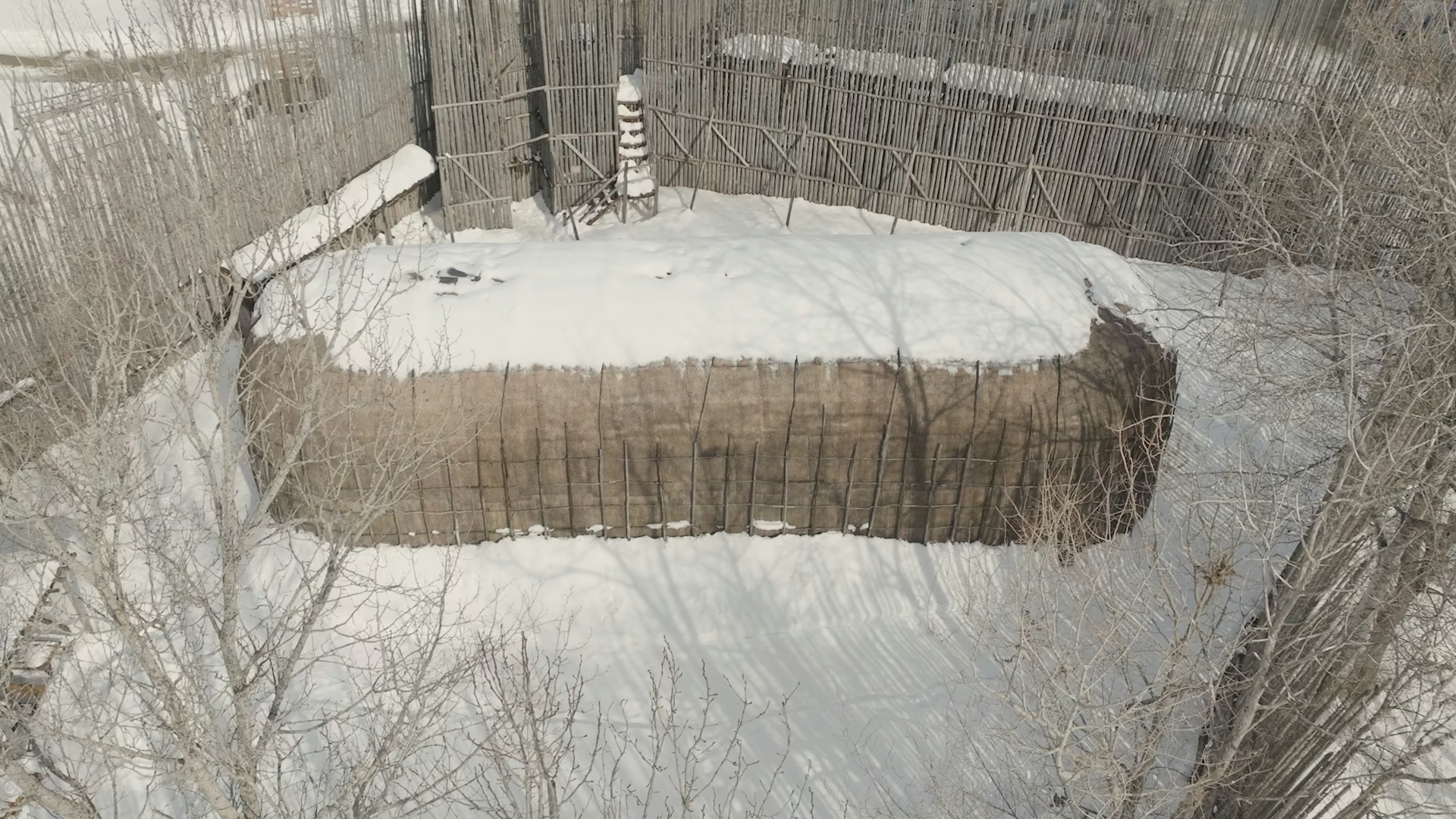
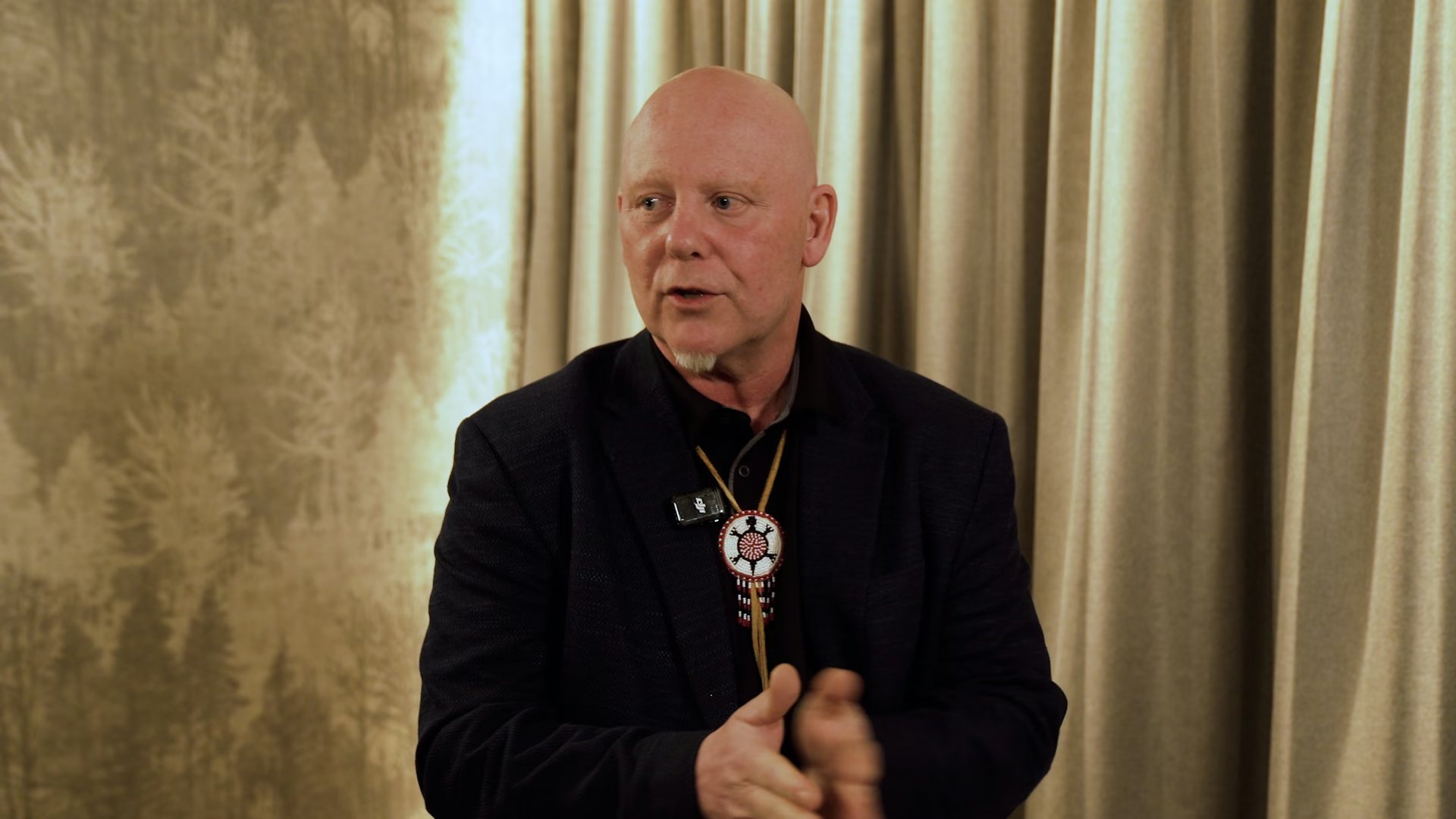
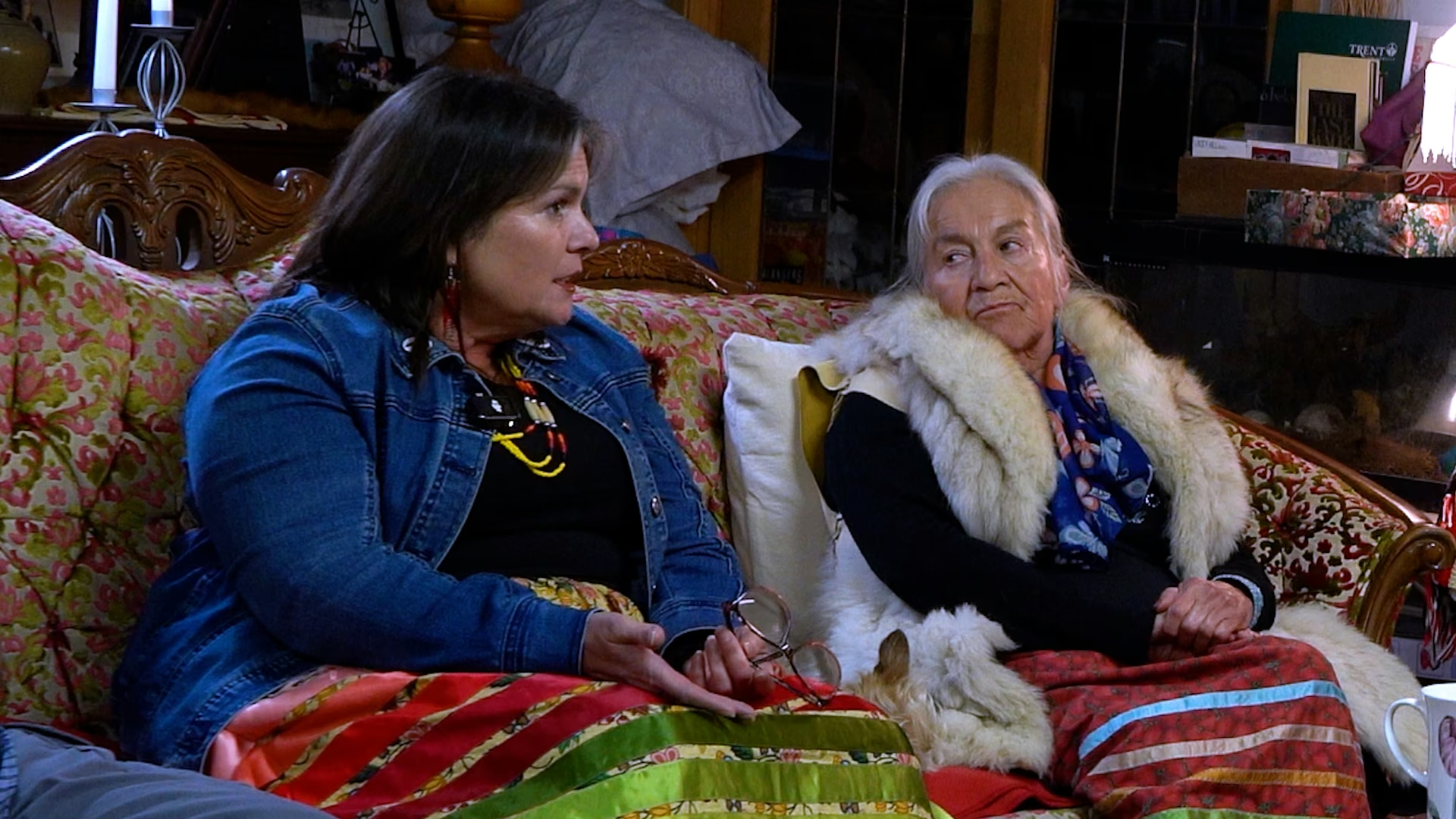
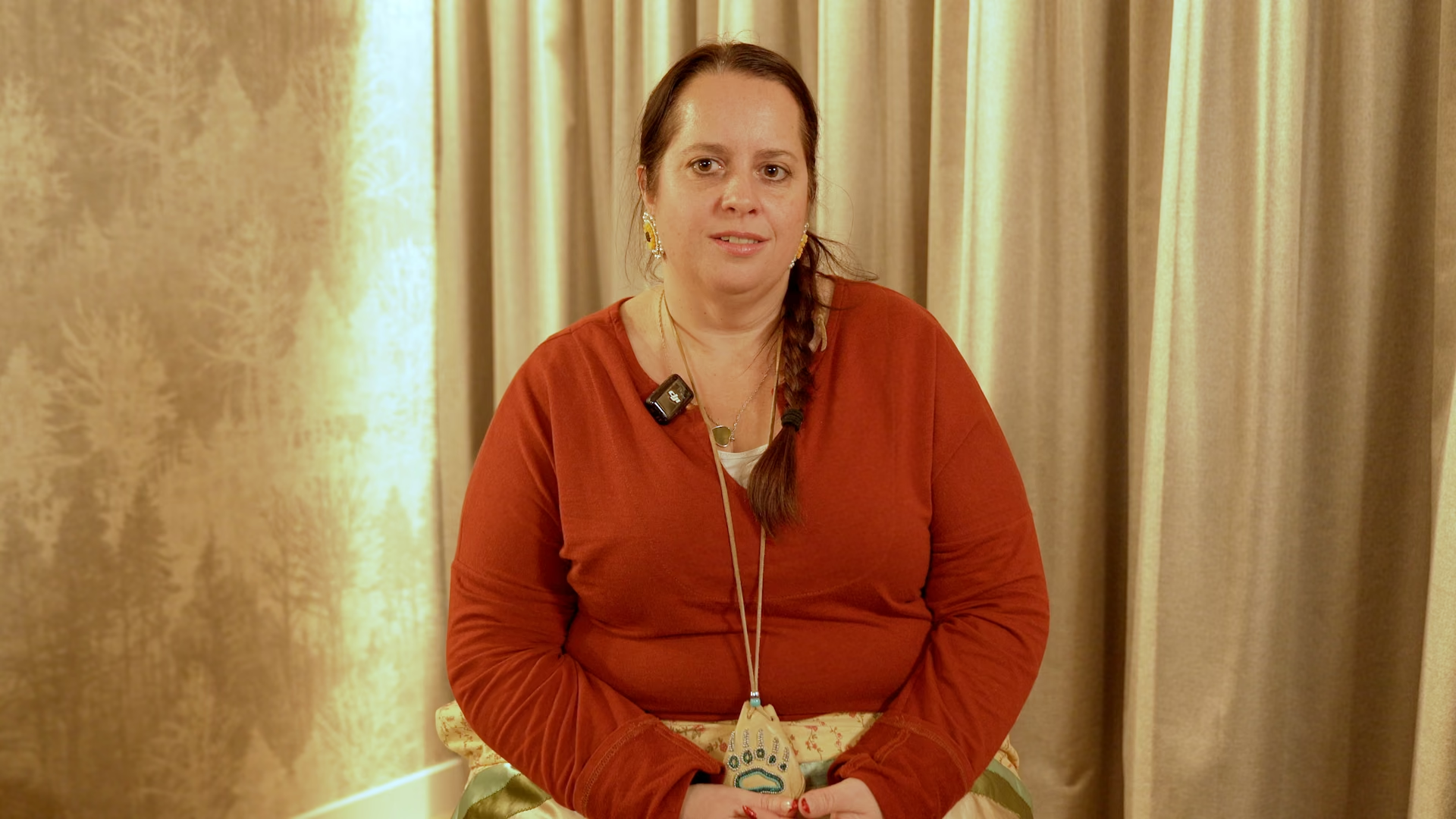
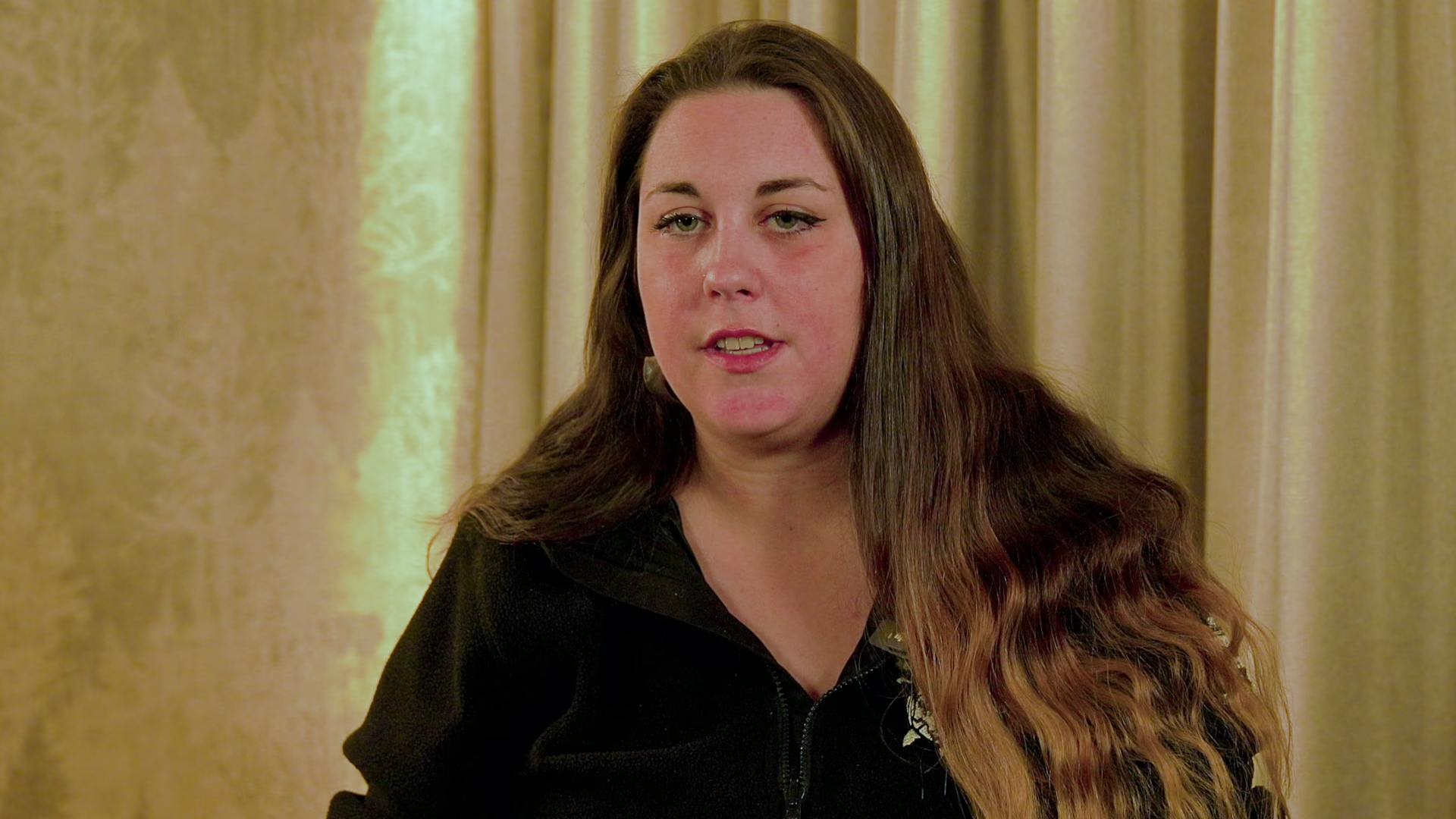
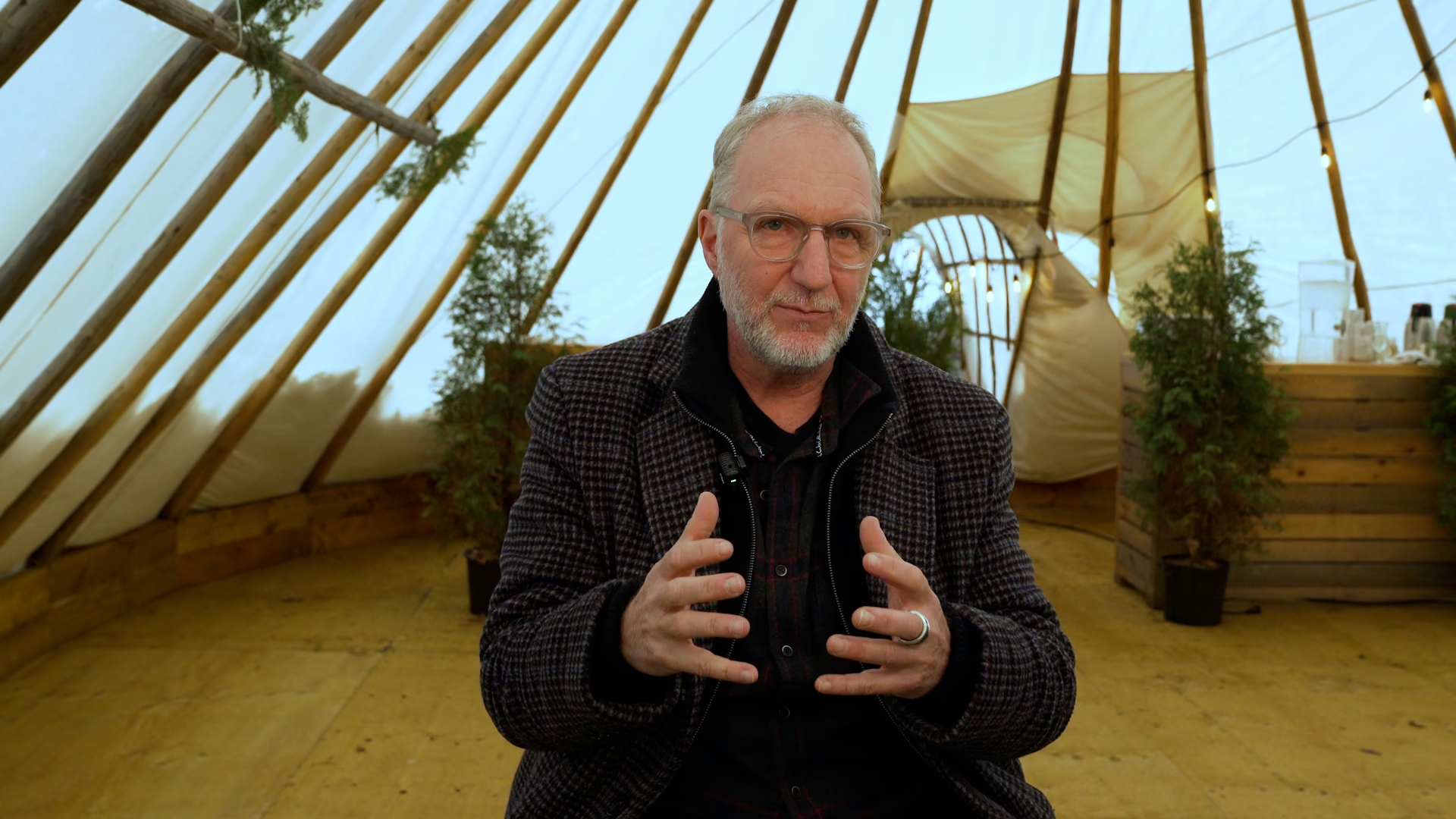
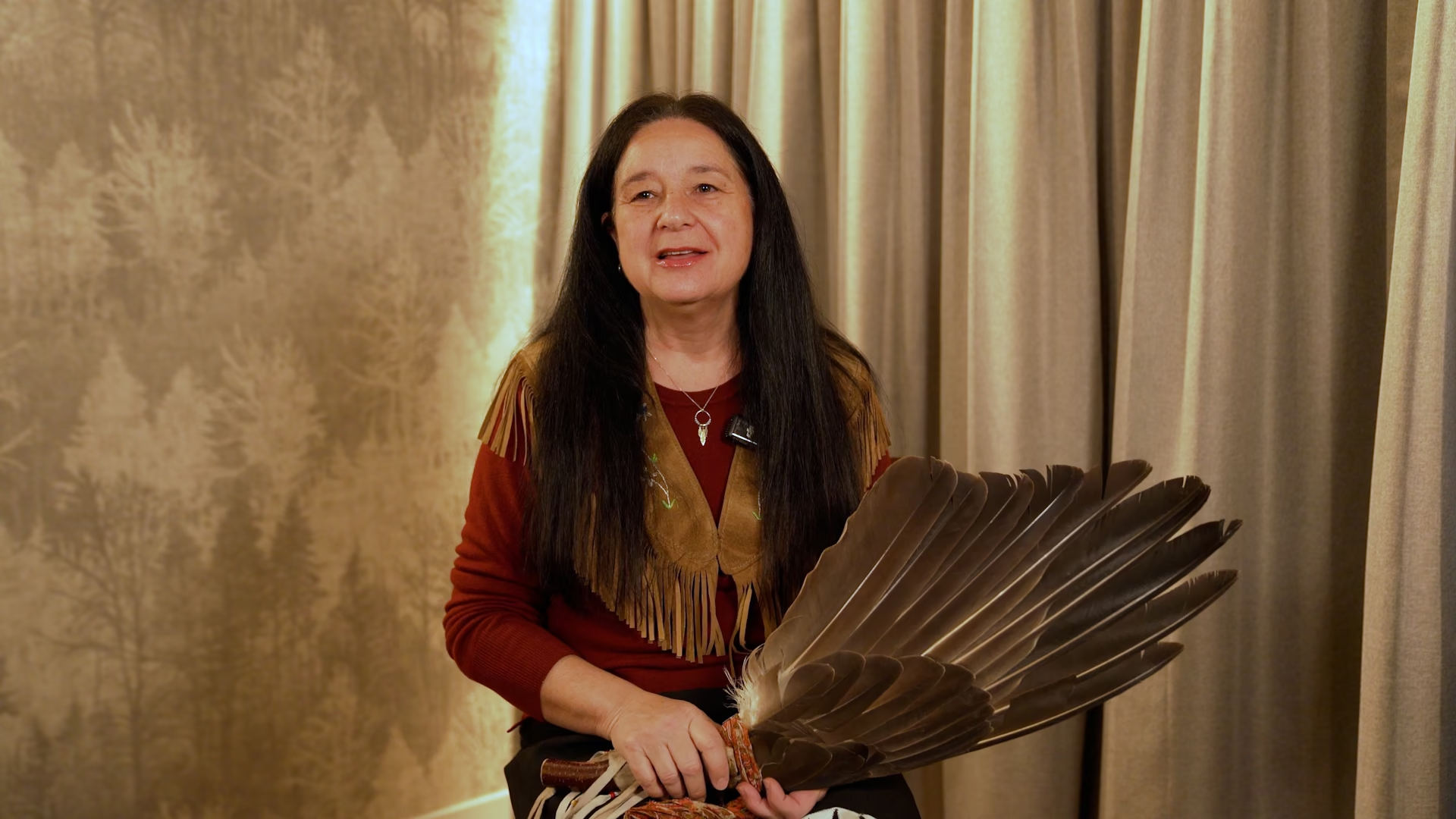
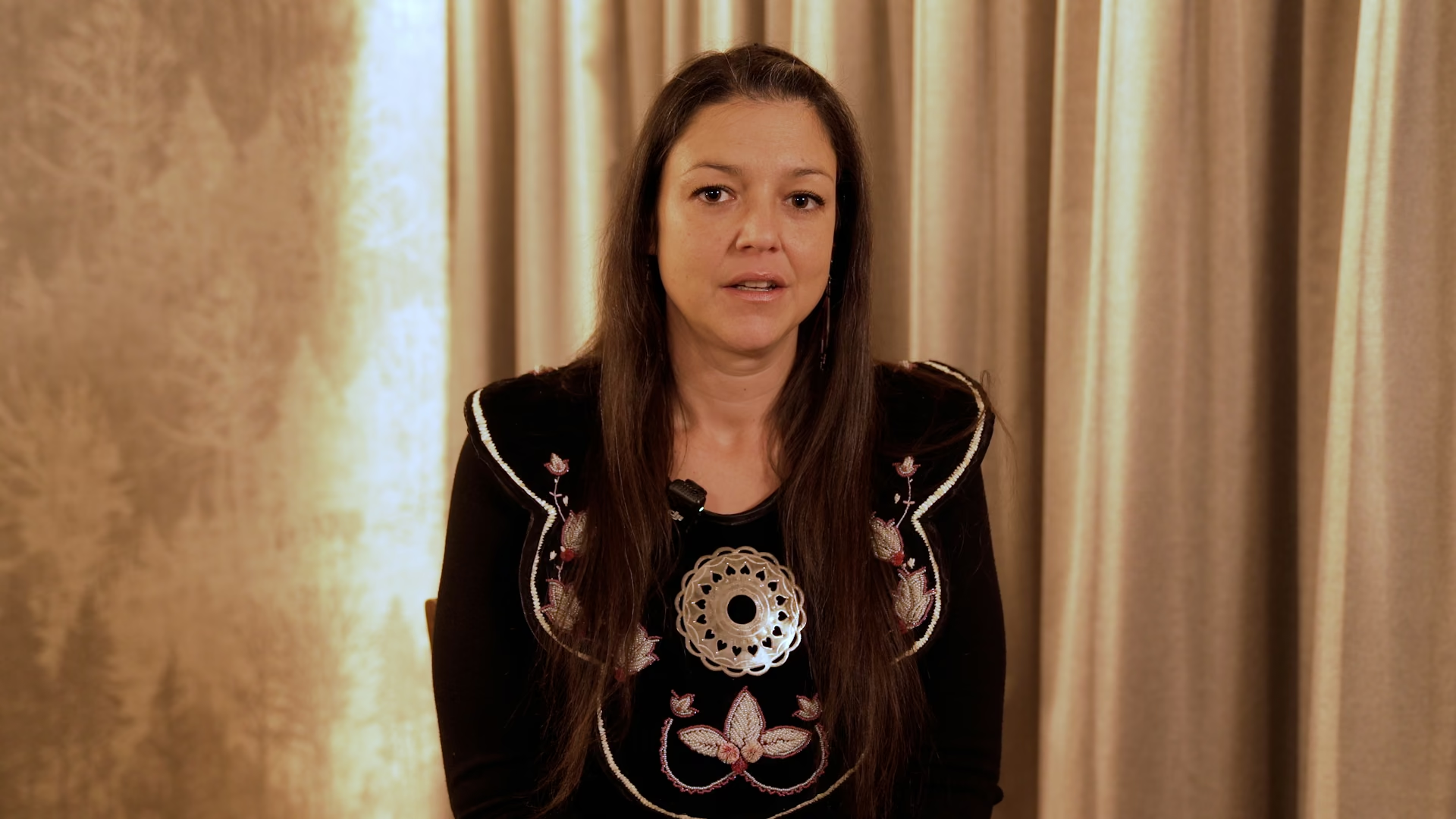
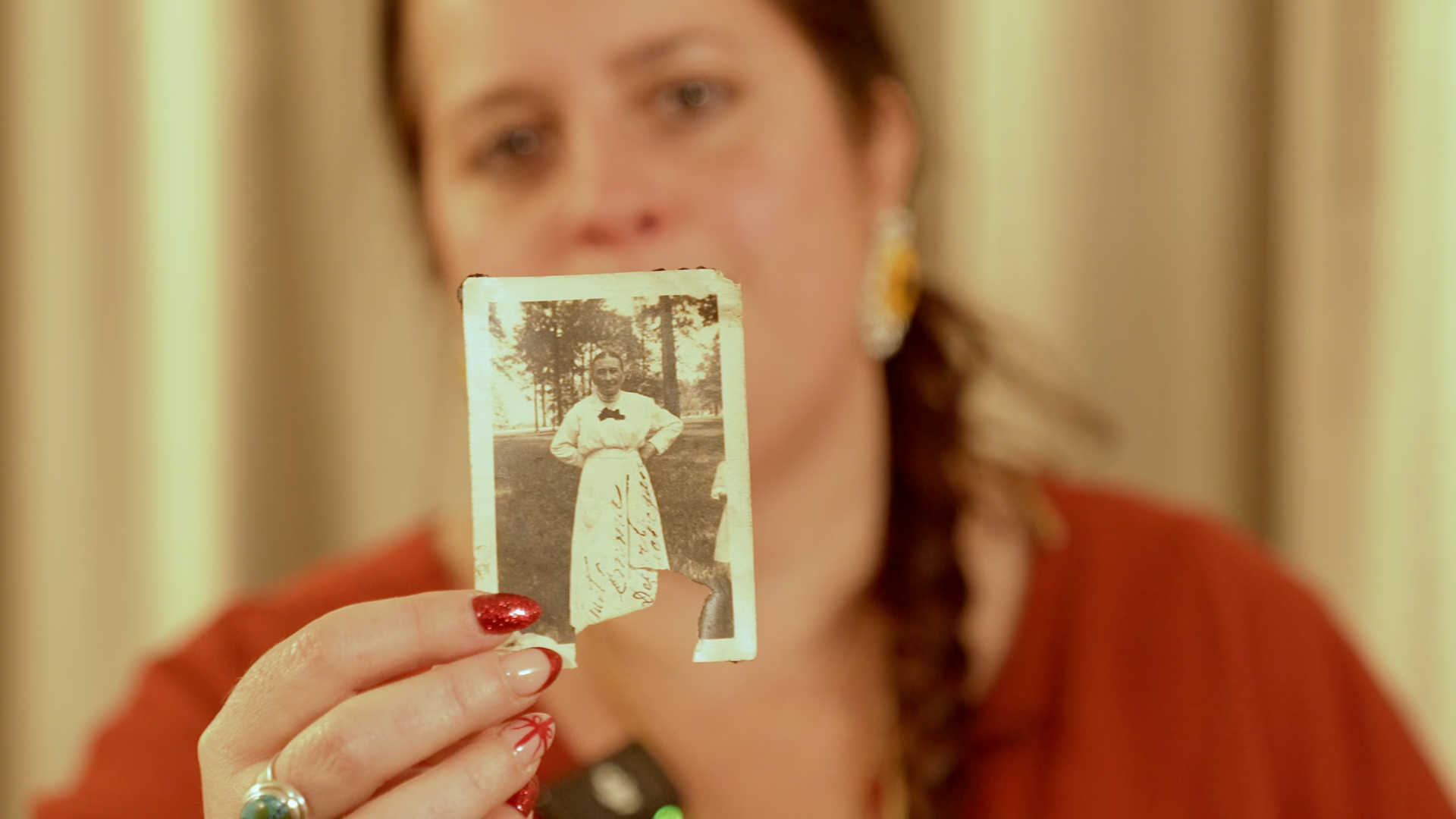
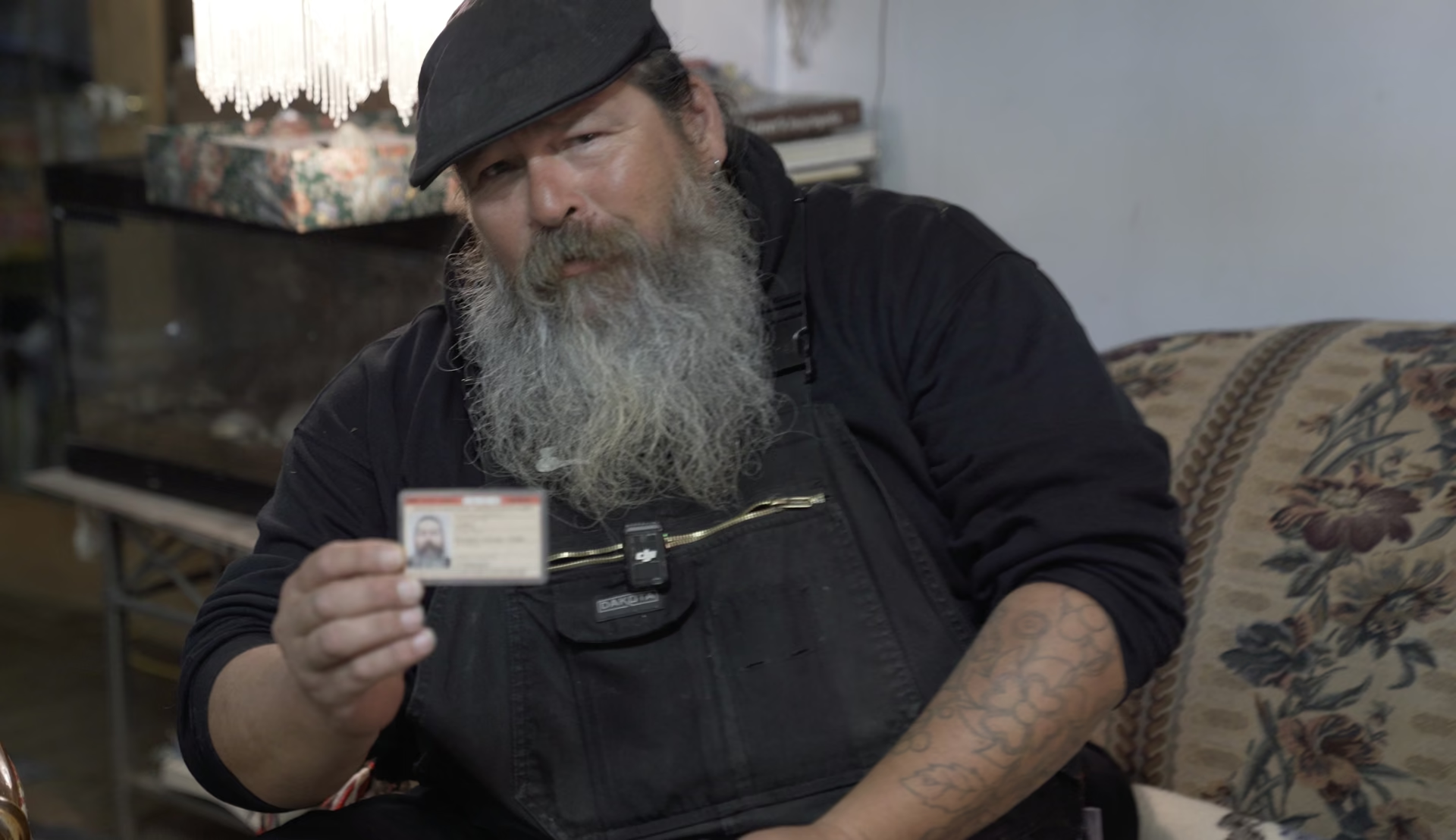
Driven by the testimonies of people from the Anishinaabe Nation on Manitoulin Island, as well as the Wendat Nation, the documentary shows that the issue goes far beyond the administrative recognition of status. It touches on the right to belong to a family, a community, and a Nation, as well as the ability to pass on one's identity, culture, and connections to future generations. Students from the Observatory on Human Rights at the UN contributed to the project by accompanying the film crews to document their observations from a human rights perspective.
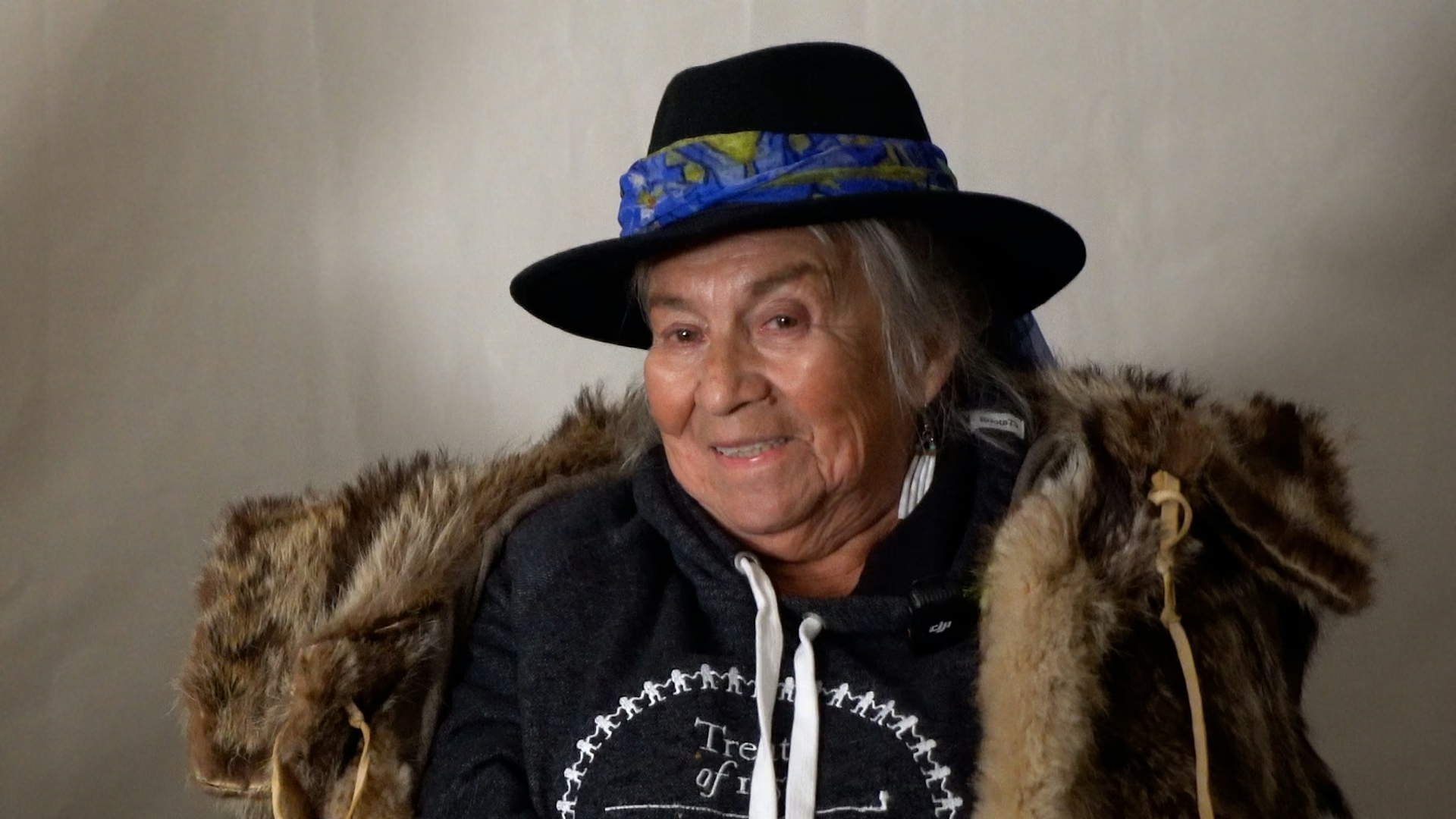
The documentary centers the voices of those who have experienced these inequalities and the women who have helped advance the law on this issue in Canada. It highlights their courage in the face of a discriminatory system that has caused profound ruptures in identity, family, and community.
THANK TO OUR PARTNER